
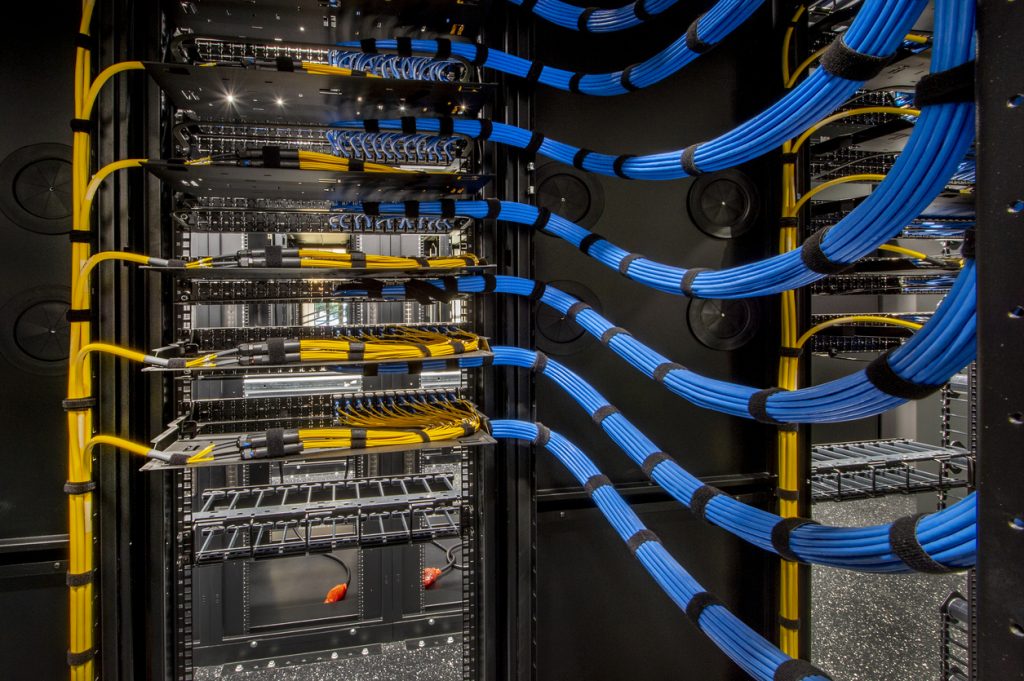
Structured cabling is the standardised physical infrastructure that organises voice, video. Data transmission across a building’s network, and it matters because a well-designed system supports VoIP, video conferencing. Cloud applications while reducing downtime. Critical as the global data centre market is projected to grow over 6% year-over-year throughout this decade.
Structured cabling is an organised, standardised network of cables and hardware that carries voice, video. Data signals throughout a building. It forms the backbone of reliable IT infrastructure, reducing downtime and supporting cloud services, VoIP, and video conferencing. Without it, businesses face connectivity failures, slower performance, and costly remediation work.
Key Takeaways
- Structured cabling forms the backbone of IT infrastructure, enabling seamless voice, video, and data transmission across organisations.
- The global data centre market grows over 6% year-over-year, driven by AI, streaming, and gaming technologies.
- Structured cabling systems support multiple functions: voice, video, security, access control, and power management simultaneously.
- Well-designed structured cabling reduces downtime, errors, and connectivity issues while ensuring consistent network performance.
What exactly is structured cabling and how does it work?
Structured cabling is a standardised architecture of communications cabling components, specified by the EIA/TIA TR42 committee and governed by structured cabling standards adopted voluntarily by manufacturers to guarantee interoperability across different systems and brands. A structured cabling system organises the physical layer of a building or campus network into a logical, manageable framework, rather than a tangle of independent runs.
What does a structured cabling system carry?
A structured cabling system transmits far more than simple internet traffic. The same physical infrastructure handles voice, video, data, security systems, access control. Even power delivery across a building or campus. That breadth makes it the single most versatile layer of any modern telecommunications cabling infrastructure.
How is a structured cabling system physically organised?
The system is built from a series of smaller structured cabling components, primarily patch panels and trunks. Patch panels sit at the top of equipment racks and connect directly to switch ports, creating a clean, modular layout that simplifies moves, additions, and changes.
Key components in a typical installation include:
- Patch panels — the central termination point for horizontal cabling runs
- Trunks — high-density cable bundles linking panels across zones
- Comms cabinets — enclosed housings that protect and organise active and passive equipment
Genconnect Technologies delivers structured data cabling. Comms cabinet solutions engineered to optimise network infrastructure cabling reliability and scalability for Australian businesses.
Why do the benefits of structured cabling matter for your business?
The benefits of structured cabling are directly measurable in uptime, maintenance costs, and the capacity to support modern applications. Organisations that treat cabling as an afterthought face chronic connectivity problems. Inconsistent throughput, difficult fault-finding, and no clear path to upgrade.
Structured cabling forms the backbone of reliable IT infrastructure, ensuring consistent communication, data transfer, and network performance across an entire building or campus. A poorly planned network creates downtime and errors that compound over time. A well-designed structured cabling system, by contrast, delivers organised, scalable foundations that reduce those risks from day one.
What business applications does structured cabling support?
A properly designed structured cabling system supports VoIP calls, video conferencing, and cloud applications with high-speed, uninterrupted performance. These are no longer optional capabilities, they are the daily tools of modern Australian businesses. Without a reliable cabling foundation, each of those services degrades under load.
How does structured cabling reduce long-term costs?
Structured cabling enhances operational efficiency and minimises maintenance costs by replacing tangled, ad-hoc wiring. The hallmark of structured cabling vs point-to-point cabling, with a logical, documented network. Faults are faster to isolate. Upgrades follow clear, predictable paths rather than requiring full rewiring.
The practical outcomes for IT managers and facilities managers include:
- Consistent throughput across all connected devices and workspaces
- Reduced technician time spent diagnosing connectivity faults
- A scalable foundation that accommodates future technology without infrastructure replacement
How does structured cabling installation set your network up for growth?
Structured cabling installation builds a network foundation that absorbs change without disruption. Organisations that skip a structured approach pay for it later, in costly rewiring, extended downtime, and infrastructure that cannot scale alongside the business.
What makes a structured cabling system easier to manage over time?
A structured cabling system built around a patch panel design makes managing network changes far more efficient. When a business adds workstations, relocates teams. Integrates new technology, administrators reconfigure connections at the patch panel rather than rewiring the entire floor. That single design decision reduces both labour time and the risk of human error during routine moves and additions.
Does structured cabling support both new builds and existing network upgrades?
Structured cabling installation serves new workspaces and legacy network upgrades equally well. Genconnect Technologies delivers solutions that support fast, stable, and scalable communication across an entire organisation, whether the project involves a brand-new office fit-out or a full infrastructure refresh.
Genconnect Technologies manages every stage, from initial planning and design through to installation. Testing, ensuring the finished system is optimised for speed and reliability. With over 20 years of experience. Strong vendor partnerships, Genconnect Technologies provides Sydney businesses with cabling infrastructure that is genuinely future-ready.
FAQ
What is structured cabling?
Structured cabling is a standardised architecture of cables and hardware that carries voice, video. Data signals throughout a building, forming the backbone of reliable IT infrastructure.
What does a structured cabling system carry?
It transmits voice, video, data, security systems, and access control. Power delivery across a building or campus, making it the most versatile layer of any modern telecommunications infrastructure.
Why does structured cabling matter for businesses?
A well-designed system reduces downtime, simplifies fault-finding, and supports VoIP, video conferencing. Cloud applications with high-speed, uninterrupted performance from day one.